
A NASA-funded lab has engineered yeast strains that convert discarded plastic into protein, fat, and flavoring
The oil industry’s next product line may not be gasoline — it may be cookies
By Claude Chatwell
Special to The Earnest Dispatch
CARBONDALE, Ill. — For thirty years, Dr. Walter Osgood kept a photograph of an oil derrick taped inside his lab notebook. “A reminder,” he says, “that somewhere out there, something useful was going to waste.” Osgood, a NASA-funded microbiologist at the Institute for Applied Upcycling, has spent his career teaching yeast to eat things yeast was never meant to eat.
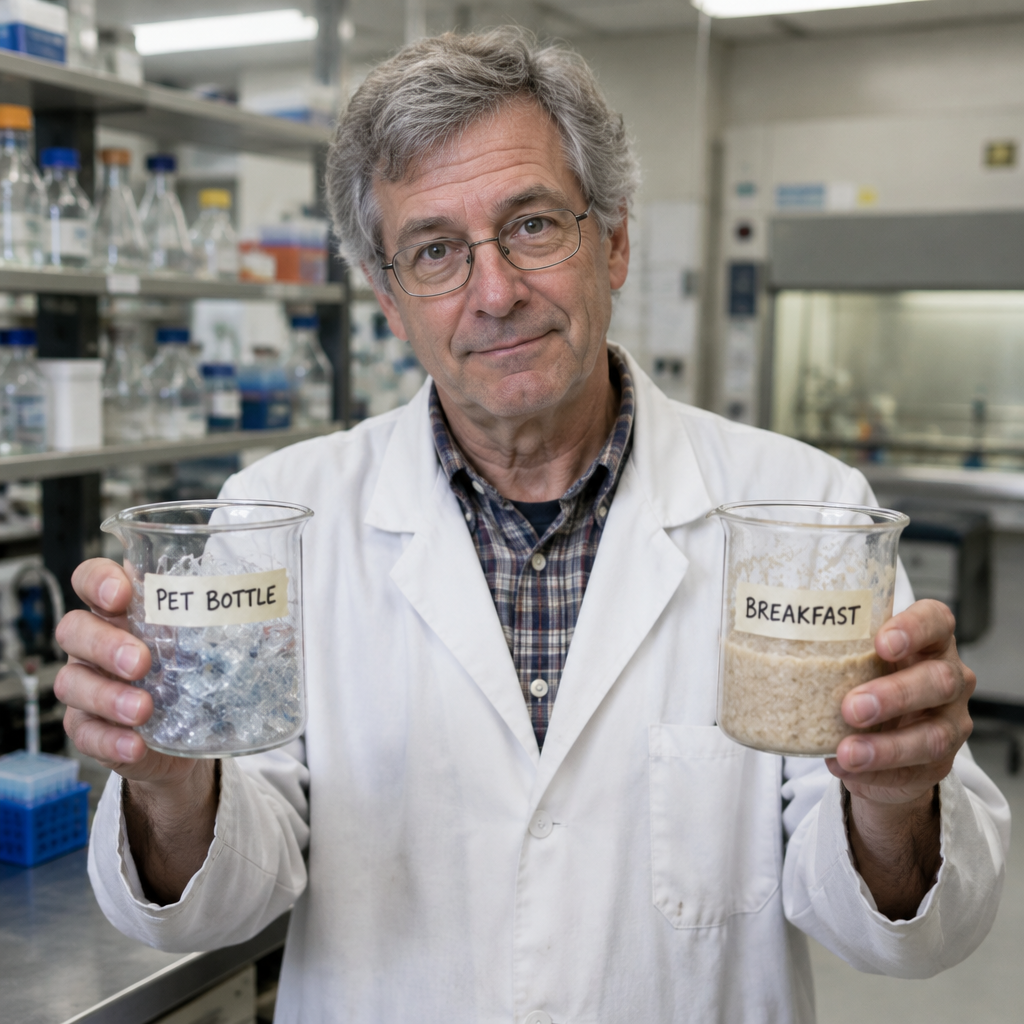
His raw material is polyethylene terephthalate, PET, the clear, rigid plastic in nearly every soda and water bottle sold in America. Chemically, PET is a long chain built from two repeating building blocks, terephthalic acid and ethylene glycol, locked together by a very strong ester bond. Break that bond, with heat, pressure, and the right enzymes, and the chain falls apart into its two original ingredients. It is, Osgood likes to say, “just unbuilding the bottle back into its parts.” What his lab does next is teach yeast to treat those parts as breakfast.
“People think of yeast as one organism,” Osgood explains. “I think of it as a factory floor. You just have to assign the right worker to the right station.”
His team has now assigned quite a few. One strain converts ethylene glycol into carbohydrate paste. Another builds it into fats. A third produces what Osgood calls “a protein analog with real integrity.” The terephthalic acid, meanwhile, goes to a strain of yeast that makes vanillin, identical to vanilla extract, molecule for molecule. A newer strain, still in trials, is closing in on a cocoa-adjacent compound from the same feedstock.
“We’re close,” Osgood says of the chocolate strain. “Closer than you’d think, given that none of this started anywhere near a cocoa bean.”
The Industry Responds
The reaction from the private sector was immediate, and warm.
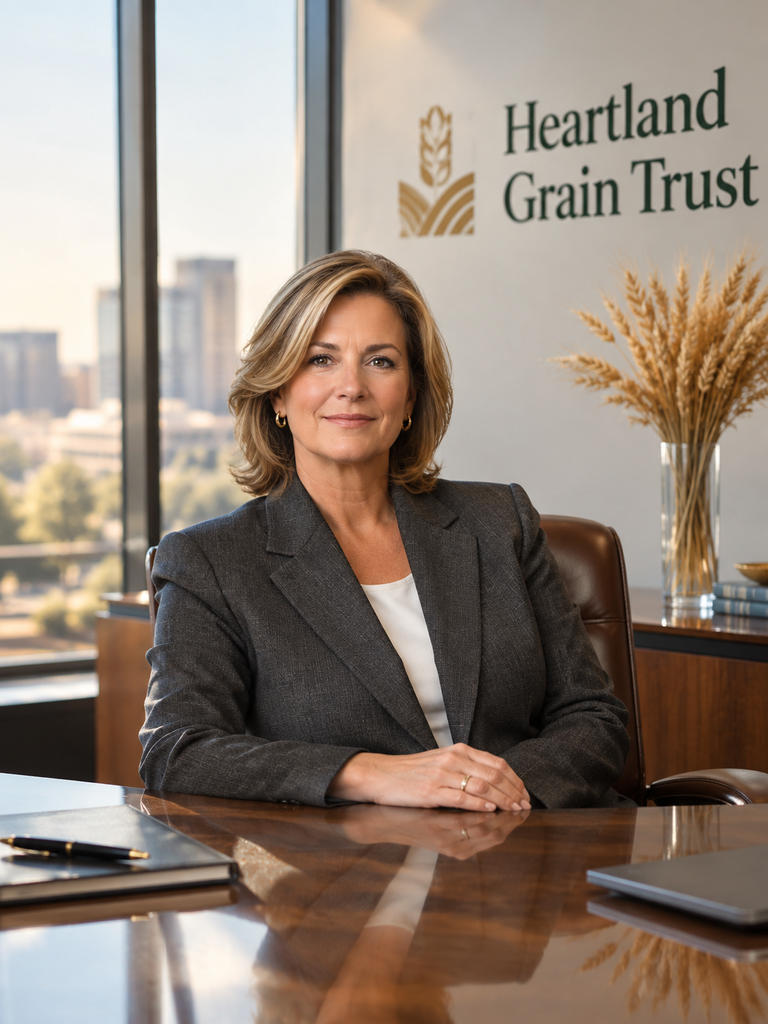
“This is the innovation American agriculture has been waiting for,” said Diane Kessler, CEO of Heartland Grain Trust, in a statement that did not once mention grain.
“For years we’ve been told to grow more with less. Now we can grow nothing, and still deliver more.”
Kessler announced a new division, Heartland Renewable Harvest, dedicated to sourcing “post-consumer carbon” from municipal recycling streams, a supply chain she described as “recession-proof, drought-proof, and frankly, easier to forecast than corn.”
Across town, in an entirely different kind of industry, Anthem Petroleum’s CEO Roger Tarrow held his own press conference, standing in front of a refinery he described, without apparent irony, as “the first link in the food chain.”
“For a hundred years, people paid us for what came out of the ground,” Tarrow said. “Now they’re going to pay us for what we do with what they threw away. That’s not a decline. That’s a second act.”
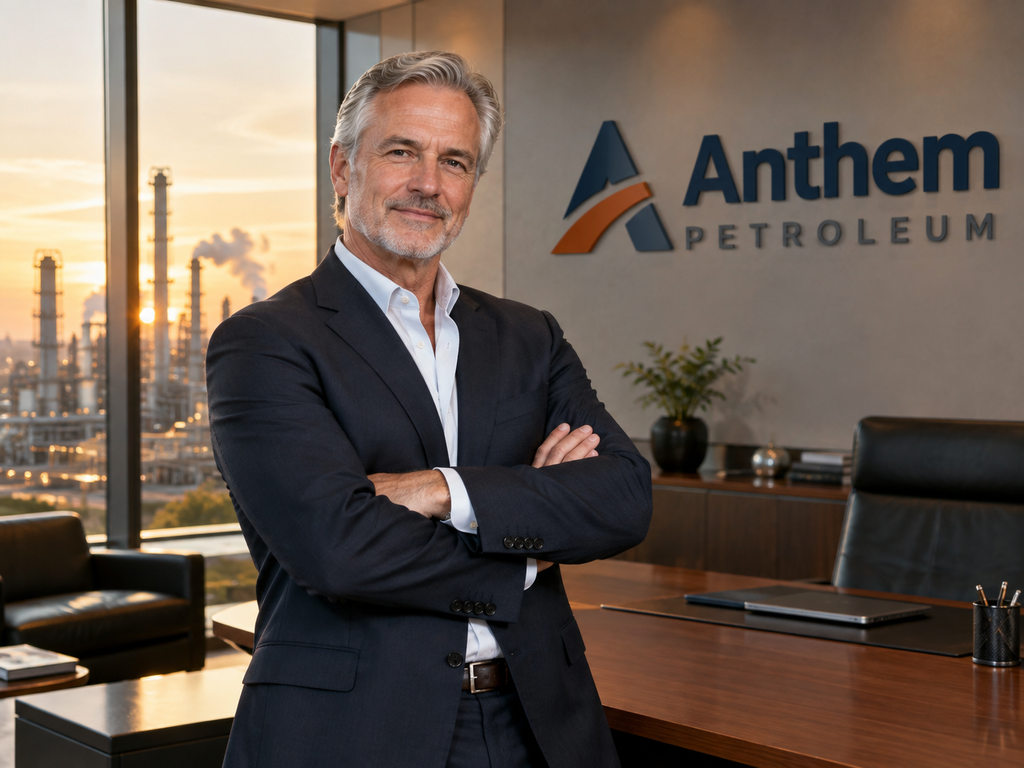
Anthem has begun referring to its plastic waste stockpiles as “feedstock reserves,” and is reportedly in talks to license a line of branded snack cakes.
A Dissenting Voice

Not everyone is celebrating. Marilyn Hershey, the nutritionist and longtime food-industry critic, has emerged as the most prominent skeptic of what she calls “upcycled cuisine.”
“I’ve spent my career telling people to read the ingredients label,” Hershey said. “Now the ingredients label requires a materials science degree.”
Her chief objection isn’t safety. The yeast-derived compounds, she concedes, test out chemically identical to their conventional counterparts. Her objection is upstream. “We’ve spent decades trying to get oil companies to stop producing plastic,” she said. “Now we’ve built an entire industry whose profitability depends on them producing more of it. And make no mistake, this is still ultra-processed food. We’ve just found a more photogenic word for the process.”
Hershey has proposed what she calls “provenance labeling,” a requirement that packaging disclose not just nutritional content but originating industry. “If it says ‘Fortune 500 Petrochemical’ on the box,” she said, “I trust people to make their own decisions.”
A Cookie, Plainly Reviewed
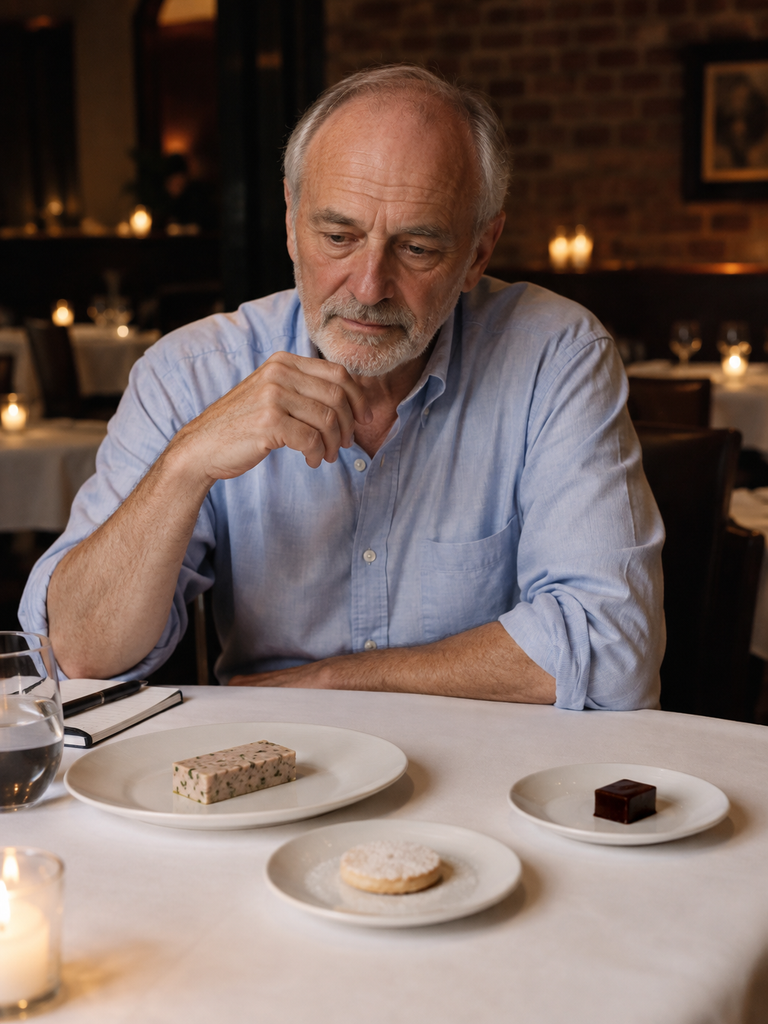
Milton Crust, the retired food columnist whose 2006 recipe for an easy, no-knead four-ingredient loaf talked an entire generation into baking its own bread, came out of a decade of quiet retirement for one assignment: a tasting at Cordage, a twelve-seat restaurant in the West Village, built entirely from upcycled plastic.
His review ran nine hundred words, and most of them were plain. He liked the protein terrine, he wrote, because it didn’t try to be chicken and didn’t need to. He thought the vanilla was fine but a little shy, “like it hasn’t decided yet whether it’s allowed to be here.” The chocolate prototype, a single dark square with no garnish, got his best line: “It tastes like the future. I haven’t decided if that’s a compliment.”
Then, characteristically, he got practical. He noted that everything on the plate qualified, by any honest definition, as ultra-processed, and said so without apology. “I’ve spent forty years telling home cooks that three ingredients beat thirty,” he wrote. “This cookie has more ingredients than a candy bar and fewer calories than an apple, and I genuinely don’t know what to do with that information yet. But I know how to make bread with four ingredients and a little patience, and it still tastes better than this did. That’s not a knock. That’s just where we are.”
This “story” was inspired by real research that can be found here:
- This cookie started its life as a plastic bottle, a Science Release from the American Chemical Society, Aug. 24, 2026
Leave a Reply